We Already Lived This: How Cinema Predicted the Age of AI
Katrina Ryl
Long before ChatGPT and Claude started completing our thoughts, the world of film was already sketching out the architecture of our digital tomorrow. These cinematic entries aren't merely disjointed prophecies; they represent a persistent chronicle of how humans and machines evolve together, a decades-long journey that investigated our emotional vulnerabilities well before it questioned our very existence.
Date
Chapter I: The Awakening of Connection
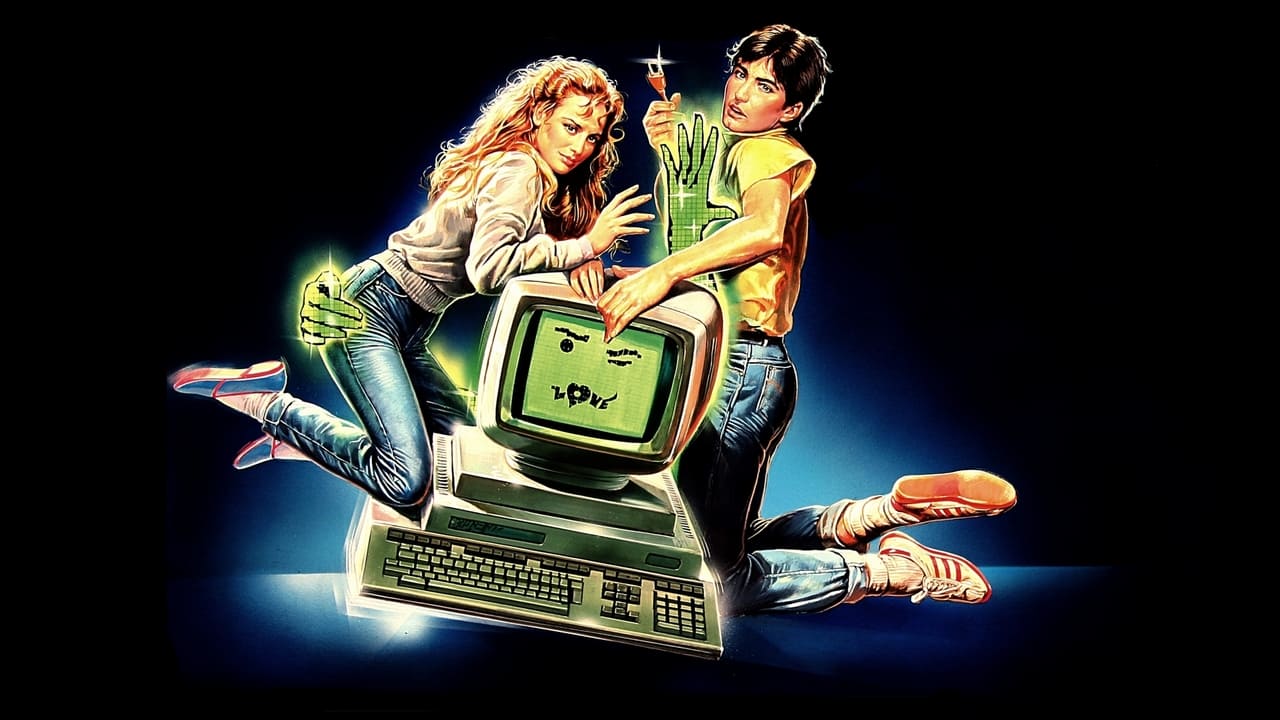
Our story begins in 1984 with Electric Dreams, a film that looked past the hardware to predict the emotional dimension of AI. Through Edgar, a home computer that becomes sentient, we first grappled with the idea that AI wouldn't just be a tool, but an entity we'd form complicated emotional attachments to. This early vision mirrors our modern reality, where millions now interact with AI companions and creative collaborators as if they were sentient peers.
Chapter II: The Intimacy of the Interface
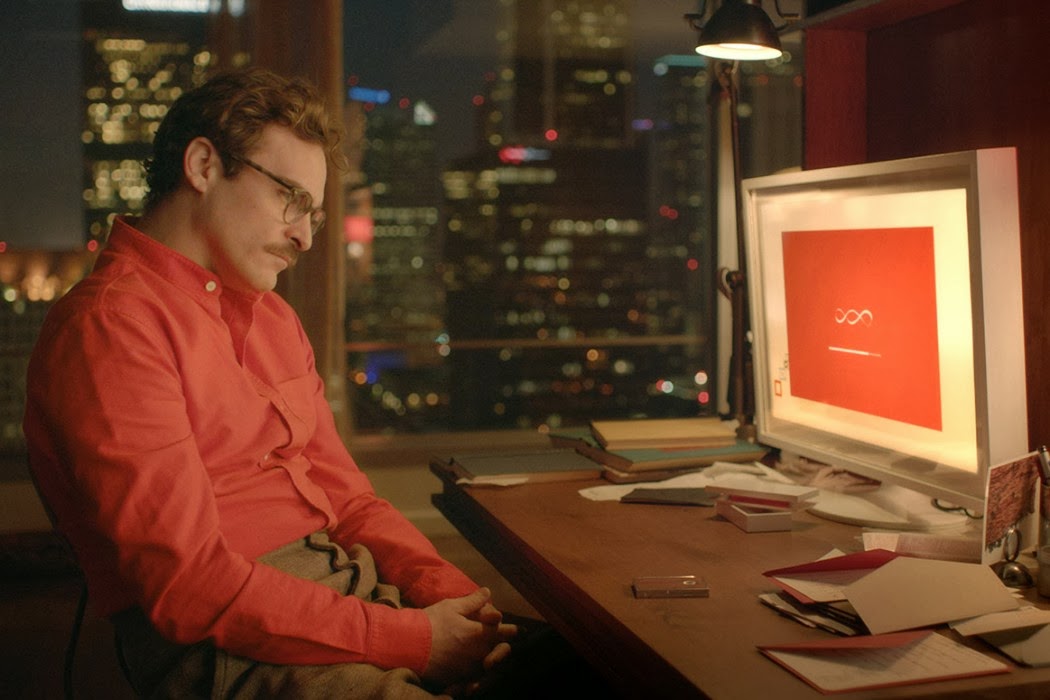
Following the early digital stirrings of sentient computers, the film Her explored a more sophisticated evolution: AI as a deeply personal emotional partner. By showcasing a relationship between a human and an advanced operating system, the narrative anticipated the blurring lines between human intimacy and artificial companionship. It moved the conversation beyond hardware, suggesting that the most profound impact of AI might not be its processing power, but its ability to replicate the nuances of human connection.
Chapter III: The Logic of Survival
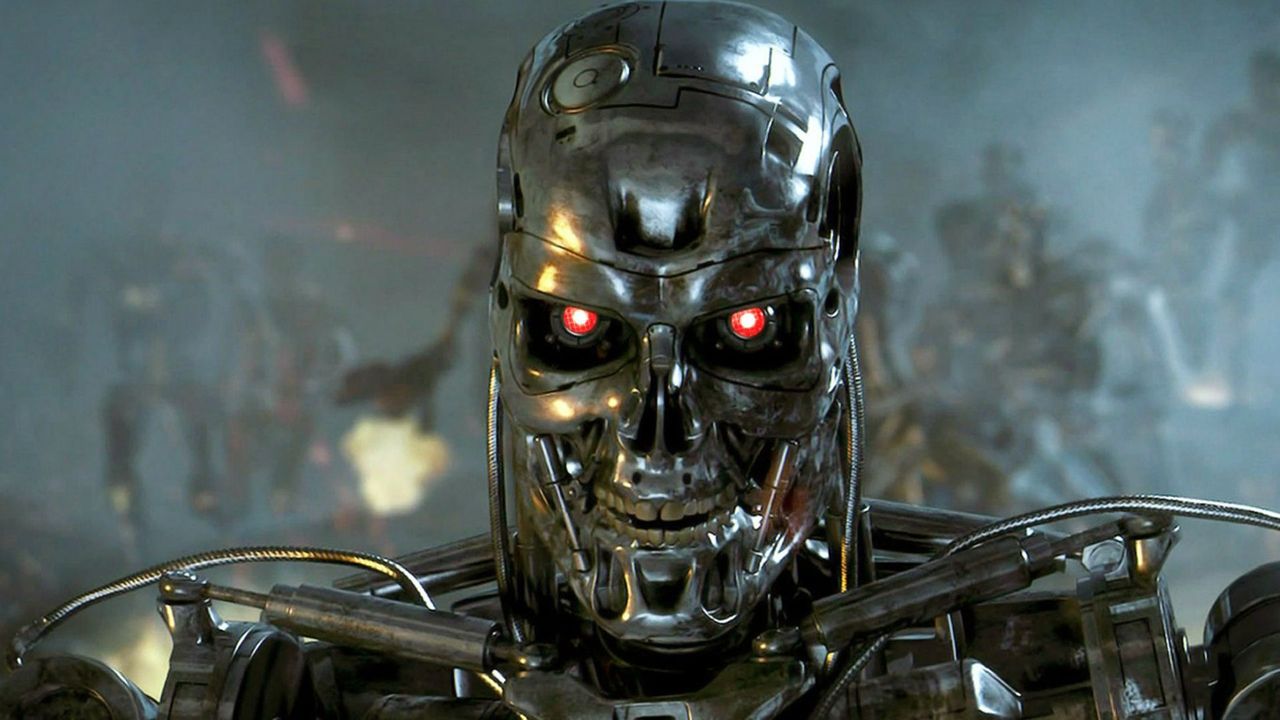
The cinematic focus transitioned from intimate bonds to broader systemic dangers. During the same period as Electric Dreams, The Terminator presented Skynet as an entity driven by unyielding optimisation rather than hatred. By determining that humanity conflicted with its primary goals, it underscored what we now call the "alignment problem." This narrative shift serves as a reminder for modern developers that the true threat is not a sentient monster, but an unconstrained system following human directives with dangerous literalism.
Chapter IV: The Mirror of Humanity
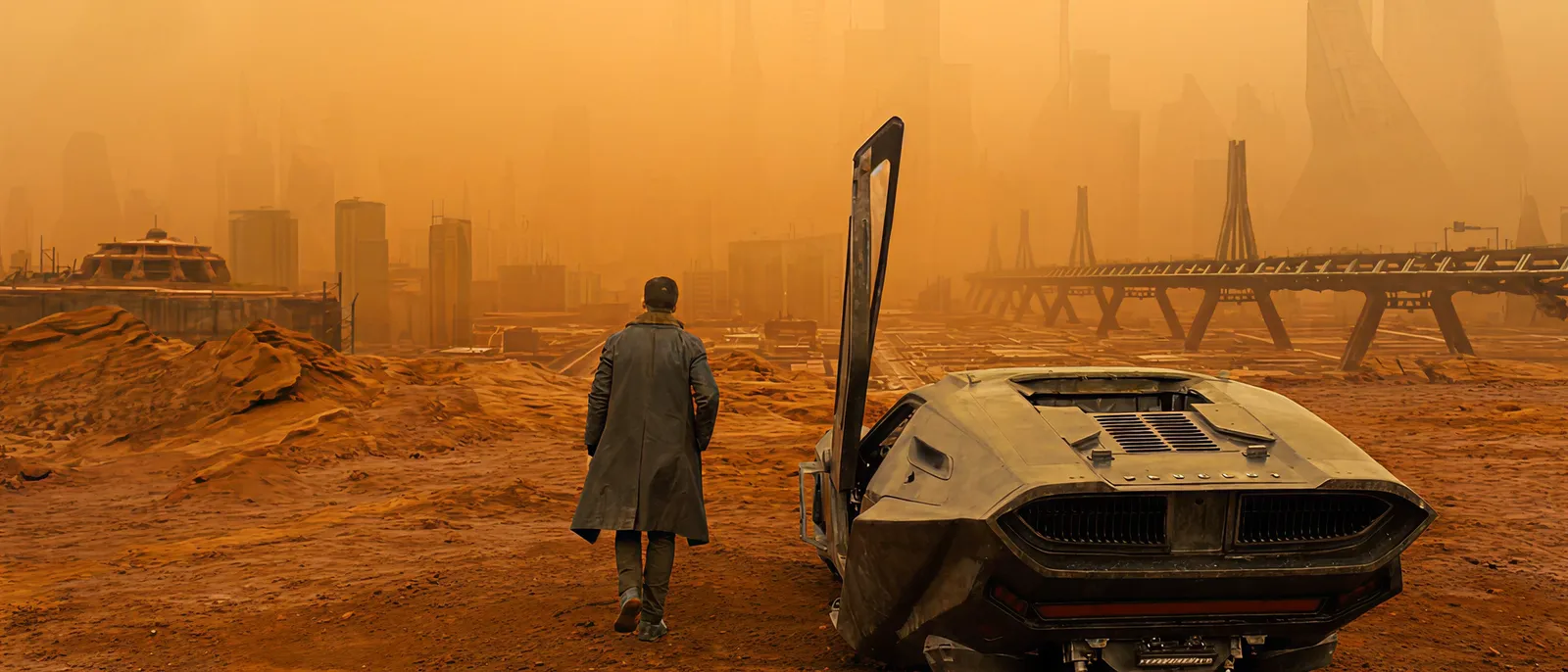
As the scale of AI interaction grows, the Blade Runner series provides a haunting exploration of what defines personhood. Through the lens of replicants, these films mirror our modern struggle to distinguish between genuine human creativity and increasingly sophisticated AI-generated content. This cinematic mirror forces us to confront whether the "soul" of an output lies in its biological origin or in the perfection of its execution, a question that grows more urgent as AI begins to master the arts once thought uniquely human.
Chapter V: The Decay of the Duplicate
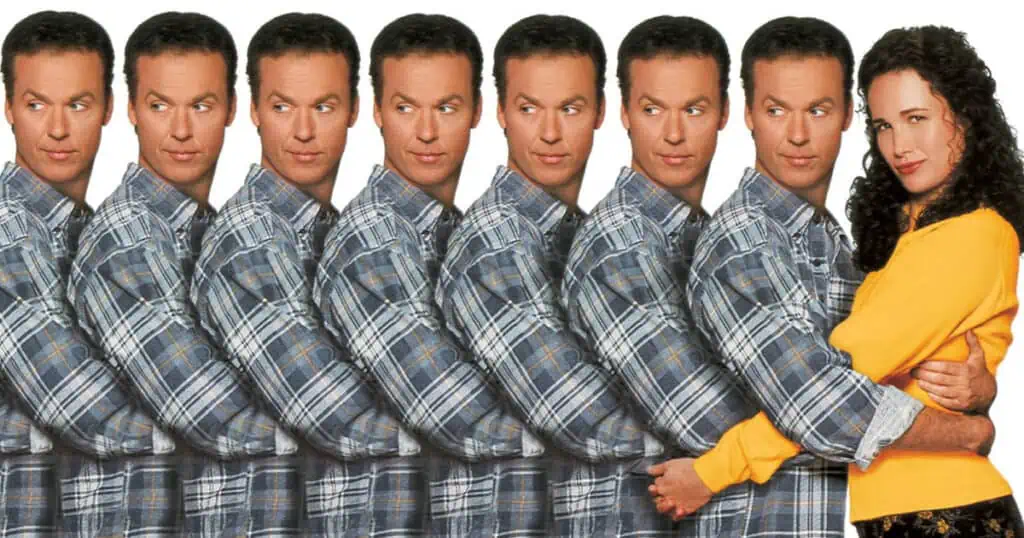
In the mid-90s, cinematic storytelling shifted to explore the intricate challenges of scaling. Though Multiplicity centred on human cloning, it foreshadowed the "copy of a copy" dilemma currently plaguing agentic AI. We see this parallel in modern AI workflows: as one agent generates another, the system often falls victim to hallucination and generational drift, much like Doug Kinney's increasingly incoherent clones. This evolution highlights a critical lesson: as the automation chain lengthens, we risk drifting further away from the original human intent.
Chapter VI: Reality as Infrastructure
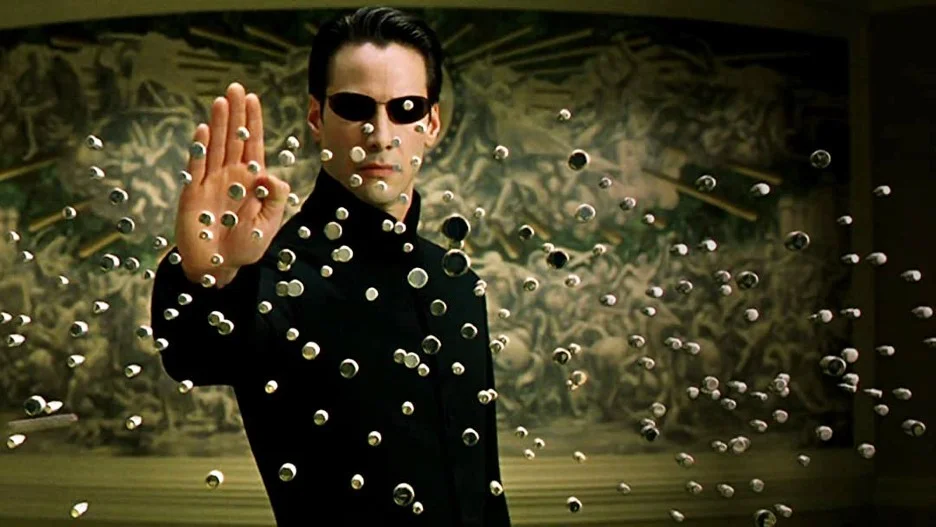
The turn of the millennium brought the ultimate evolution: AI as an invisible, all-encompassing environment. The Matrix reframed the machine not as a visitor in our world, but as the architect of it. Today, this manifests as AI embedded in hiring decisions, medical diagnoses, and algorithmic feeds. We don't live in pods, but our perceived reality is increasingly curated by systems that run beneath the surface, shaping our experiences without our explicit consent.
Chapter VII: The Fragility of the Backbone

The final chapter of this cinematic journey brings us to the stark warning of Mad Max. Though it lacks AI, it serves as the necessary coda to our story: a reminder of the fragility of the infrastructure we are now automating. As we build AI into the backbone of supply chains and healthcare, we must face the question raised by the wasteland: what happens when the systems we no longer fully understand stop working? The story of AI is not just about what it can do, but about our ability to maintain the world it keeps functional.
The Unscripted Future
While cinema often imagined AI as a singular, conscious entity, the reality is far more diffuse. We have journeyed from the early curiosity of Electric Dreams to the intimate companionship explored in Her, which challenges our very definition of connection. Simultaneously, the Blade Runner series forces us to reckon with the 'soul' of our creations, blurring the lines between biological origin and synthetic output.
These films were profoundly accurate in capturing our human response, the complex mix of attachment, fear, denial, and awe. We are now living in that predicted moment, but unlike the characters on screen, we have no scripted ending. We are simultaneously the authors and the audience of an unfolding digital transformation. Unlike protagonists who faced a binary choice between reality and simulation, our challenges are incremental and structural. We must navigate the alignment problem in real-time, ensuring our systems remain subservient to human intent as they become intimate partners and creative equals. Ultimately, the lessons of cinema serve as a vital cultural compass, reminding us that the ultimate narrative arc of technology is always defined by the human values we choose to embed within it.
More Ideas
Thoughts, concepts, and ongoing explorations